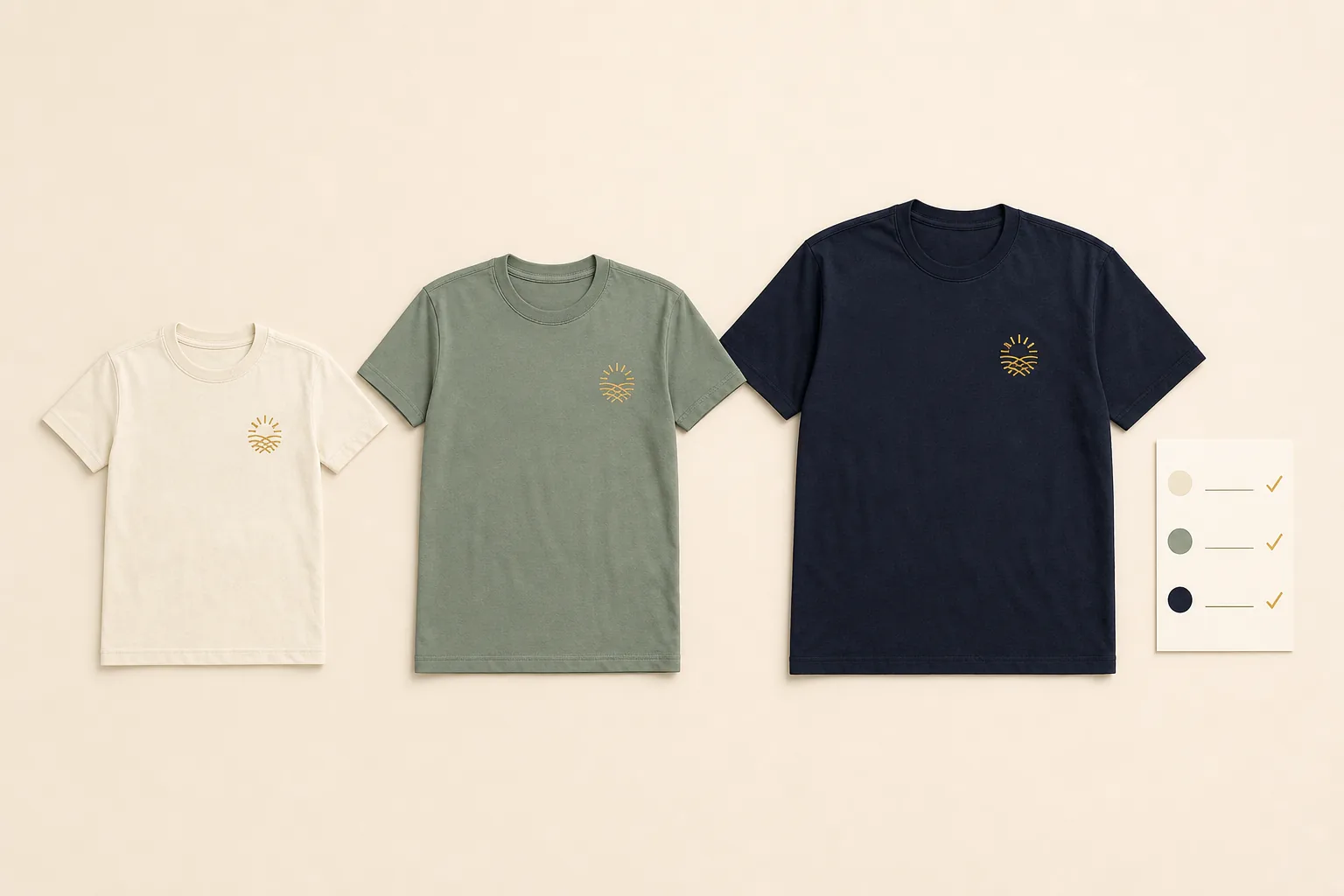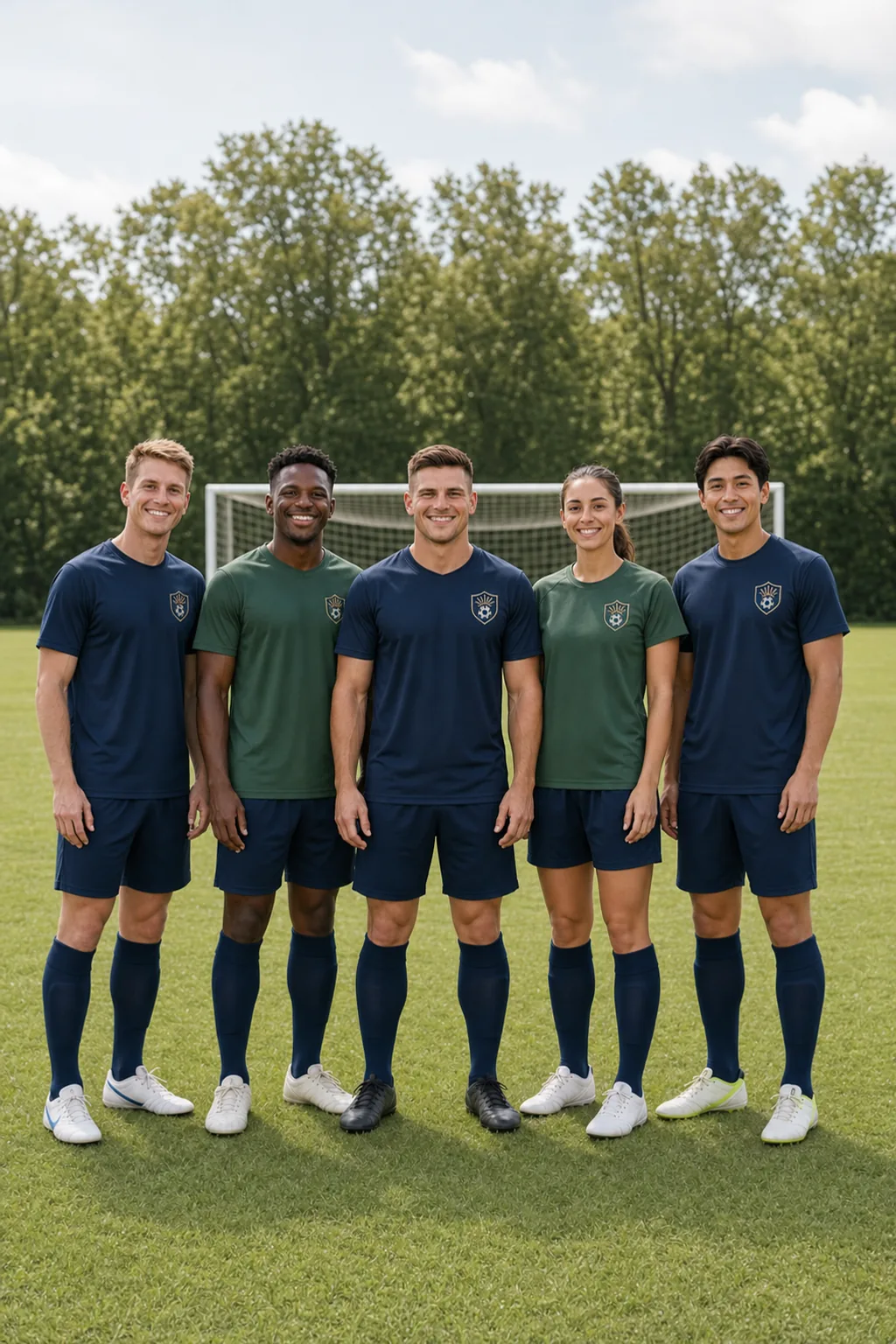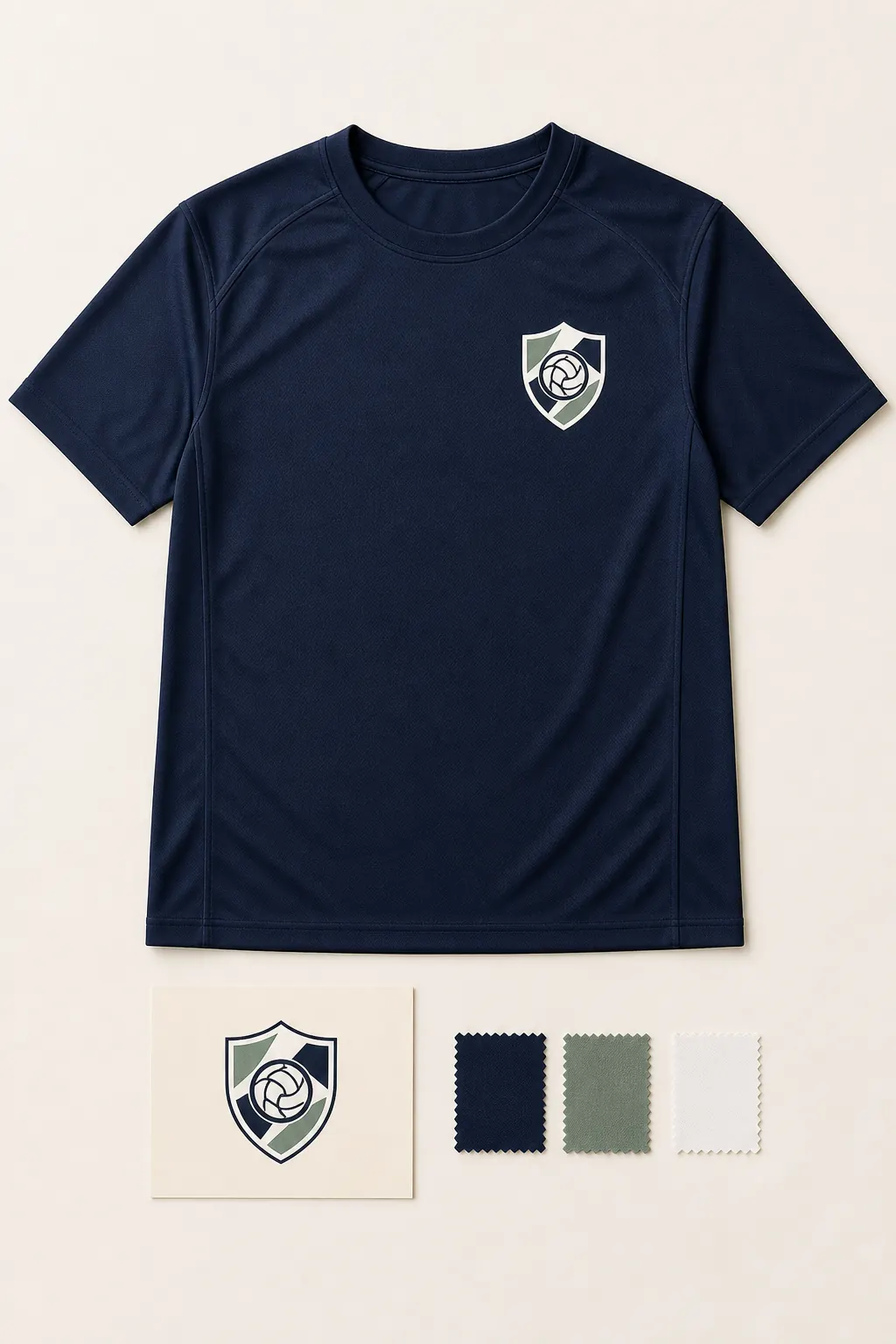
Short answer: there is no useful universal price until “jersey” is defined. A decorated performance T-shirt, a stock game jersey with added names and numbers, an all-over sublimated cut-and-sew jersey, and a top-and-shorts kit are different products with different cost structures.
As a current public market reference—not an industry average or a Togethread quote—Custom Ink publishes 50+ piece examples of roughly $12–20 for a basic polyester tier, $28–45 for a performance tier, and $40–60 for a premium sublimated tier. That supplier also says the actual result changes with style, quantity, decoration, names, and numbers. Compare the exact order model rather than copying one range into a different supplier’s quote.
First define what the team means by “jersey”
| Route | What the team receives | Common quote structure | Do not assume |
|---|---|---|---|
| Decorated performance shirt | Ready-made moisture-management top with a team mark | Garment + each print location + personalization | Sport-specific cut, league-compliant numbering, or all-over coverage |
| Stock game jersey | Sport-shaped blank, then decorated | Jersey blank + shared art + names/numbers + placements | Personalization is included in the blank price |
| All-over sublimated jersey | Polyester panels printed before final assembly or across defined printable areas | Style and complete artwork system, often with route-specific personalization rules | Every sublimated product has the same construction, minimum, or price |
| Team kit | Coordinated top plus shorts | Each garment line + each decoration/personalization line | A single “per player” number explains the top and bottom specifications |
If the request says only “50 navy jerseys,” suppliers may quote four different products and all appear to answer the brief.
What changes the final team price
1. Garment construction
A training T-shirt, reversible basketball jersey, soccer top, baseball button-front, hockey jersey, and cut-and-sew sublimated top do not share one blank cost. Ask for the exact style, fiber content, knit or mesh, youth/adult size range, and measurement chart. For training, club, and recreational use, compare the bulk performance-shirt route before assuming a sport-specific jersey is required.
2. Shared artwork and print locations
A small left-chest crest is not the same scope as a full front, back sponsor area, both sleeves, and an all-over pattern. Record dimensions and locations. Augusta Sportswear’s current decoration guide, for example, prices some DTF work per location and notes that its DTF route is not used on sublimated fabrics. That is one supplier’s system, but it shows why “full color” alone does not define price. If all-over polyester artwork is being considered, review the dye-sublimation boundaries first.
3. Player names and numbers
Every variable roster line adds production and checking work unless the selected product route already integrates personalization. Custom Ink’s current names-and-numbers instructions require the complete name, number, and size list before accurate pricing.
Your quote should state:
- which players receive names, numbers, or both;
- front, back, sleeve, or other placement;
- character height or maximum print area;
- whether personalization is included or priced separately;
- how spelling, duplicate numbers, late changes, and replacements are handled.
Use the free team jersey roster builder to create one source list before approval.
4. Quantity and fulfillment model
Quantity affects more than a volume discount. A consolidated 50-piece order to one organizer is not the same service as producing and shipping one jersey at a time. For comparison, Printful currently offers jerseys without a minimum and bulk discounts above 25 items; that on-demand model should be compared by its own product, personalization, fulfillment, and shipping scope.
5. Tops, shorts, and other lines
For a coordinated top-and-bottom kit, list the performance shirt and custom team shorts as separate garment lines. Confirm the shorts’ fabric, liner, pockets, inseam, waistband, crest placement, and size chart instead of hiding them inside one blended per-player price.
Compare complete team shorts →
6. Delivery, duty, tax, and deadline
“Delivered” is incomplete without the named destination and written scope. Confirm freight, duties, taxes, customs handling, address count, required arrival date, and any rush or exception fee. The DDP shipping guide explains which responsibilities still need to be written into the quote.
Use one formula for every supplier
Complete team total = garments + shared decoration + roster personalization + size/style differences + sorting or packaging + freight + stated duty/tax scope + approved rush or exception costs
Then calculate:
Usable player cost = complete team total ÷ correctly assigned wearable pieces
Do not divide by ordered units before checking misprints, duplicate numbers, unassigned personalized pieces, or products that cannot be used under the roster.
Send the same quote brief to every supplier
- Sport, league, and whether the garment is for games, training, staff, or fans.
- Exact top route: performance shirt, stock jersey, or all-over sublimated jersey.
- Shorts as a separate line when required.
- Quantity by style, color, youth/adult size, and player.
- Shared artwork dimensions and every location.
- Complete names-and-numbers roster with approved spelling.
- Decoration route and whether personalization is included.
- Named destination, address count, and required in-hand date.
- Freight, duty, tax, payment, rework, and replacement scope.
Do not add generic spare Medium or Large jerseys simply to reach a quantity. Add inventory only for a named roster risk, exact size and number need, reusable blank design, or approved budget purpose.
How Togethread scopes team apparel
Togethread’s core coordinated route starts at 50 pieces. Performance shirts and team shorts are quoted as separate products; shared team artwork, names, numbers, dimensions, locations, size range, destination, freight, duty/tax scope, and delivery plan are confirmed in writing.
A performance shirt is not automatically a sport-specific cut-and-sew game jersey. If the team needs reversible construction, league-mandated number sizes, sewn panels, or true all-over sublimation, state that before design so product availability and the correct production route can be confirmed.
The first mockup does not lock the price or production date by itself. Approve the current garment, roster, artwork, quote, deposit, destination, and written delivery plan. For an event or season date, use a 5–6 week total planning window; the written order schedule is the commitment.
FAQ
How much do 50 custom team jerseys cost?
It depends on which jersey route is being priced. Current public supplier examples range from a basic decorated polyester tier to a much higher premium sublimated tier. Use those examples only as market context, then compare the same garment construction, personalization, and delivery scope.
Are names and numbers included?
Sometimes. They may be separate lines on a stock decorated jersey and integrated into some sublimated products. The quote must say which method, locations, character sizes, and roster entries are included.
Is a performance T-shirt the same as a team jersey?
No. A performance shirt can be a strong training, club, PE, run, or recreational-team option, but it should not be described as a sport-specific game jersey unless its cut, fabric, numbering, and league requirements support that use.
Should shorts be included in the per-player price?
Only after the top and shorts are specified and quoted separately. A blended kit price is useful as a final summary, not as a substitute for garment-level details.
How should a team plan late additions?
Use known roster-change risk, exact sizes, assigned numbers, current minimums, and reorder terms. Do not default to generic spare sizes or assume a one-piece reprint will match the original price and schedule.