Short answer: Traditional dye-sublimation printing uses heat to transfer dye into compatible polyester fibers. It is a strong starting point for white or light, high-polyester performance apparel and integrated panel artwork. The exact fabric, base color, ink, paper, press profile, garment construction, and sample still need approval.
What sublimation printing actually is
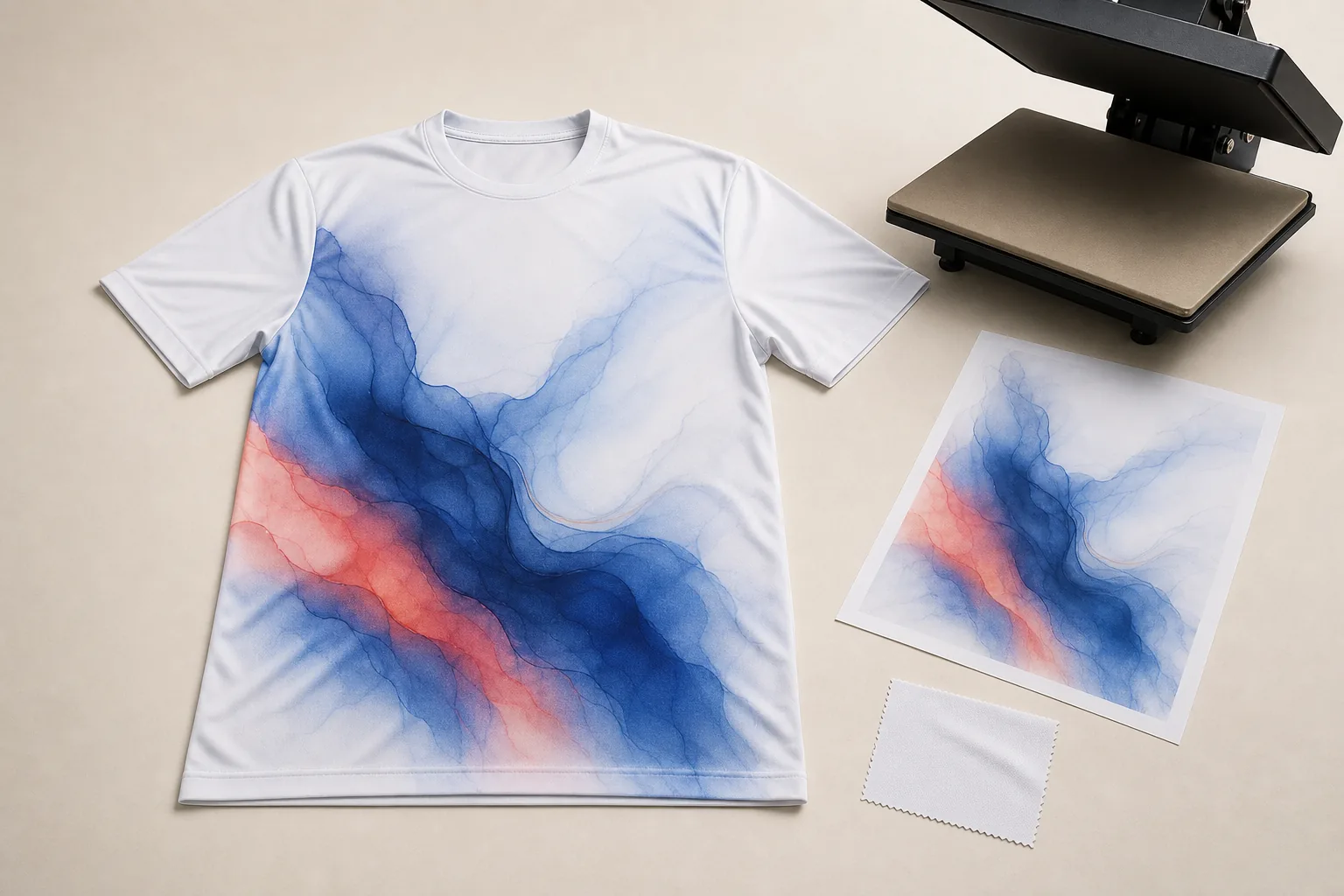
Traditional dye sublimation prints an image on transfer paper and uses a controlled heat-transfer process to move the dye into a compatible polyester-based textile. Epson’s current digital-printing primer identifies white or light-colored 100% polyester or primarily polyester blends as the core fabric route. The required time, temperature, pressure, paper, ink, and color profile are system- and substrate-specific, so one copied heat setting should not be treated as universal.
Because there is no separate ink film sitting on top, sublimation does not peel like an applied transfer and adds almost no surface texture. The garment itself can still fade, abrade, stretch, or wear over time.
When sublimation is the right choice
Sublimation excels in four situations:
1. All-over or edge-to-edge designs. Other methods usually work within a defined print area. Sublimation can cover the garment panels — sides, sleeves, and collar area — but all-over coverage, cut-and-sew construction, quantity, and personalization still affect the quote.
2. Photographic or gradient artwork. Sublimation transfers the full design rather than preparing a separate screen for every color, so gradients and photographic transitions are natural strengths. Final cost can still change with garment construction, printable area, coverage, quantity, and personalization.
3. Performance and athletic wear. Many performance garments use polyester, which is the normal textile route for traditional sublimation. “Moisture-wicking” is still a finished-fabric performance claim rather than a synonym for polyester, so confirm the exact fiber content, knit, weight, finish, and sample. Compare the bulk performance-shirt route and the team jersey cost scope when jerseys or running shirts are being considered.
4. When you need zero surface texture. Sublimation feels like the original fabric because the dye is inside the fiber, not on top of it. This matters for garments worn close to the skin or next to athletic gear.
When sublimation is the wrong choice
Traditional dye sublimation has two important boundaries:
- Fiber content matters. A standard polyester dye-sublimation workflow should not be presented as a universal cotton-printing method. Sawgrass’s current sublimation-paper guidance says the traditional transfer route needs a polymer coating or polyester content. Proprietary cotton-compatible systems now exist, including Sawgrass VersiFlex, but they use a different named ink-and-paper system and must be evaluated on their own specification.
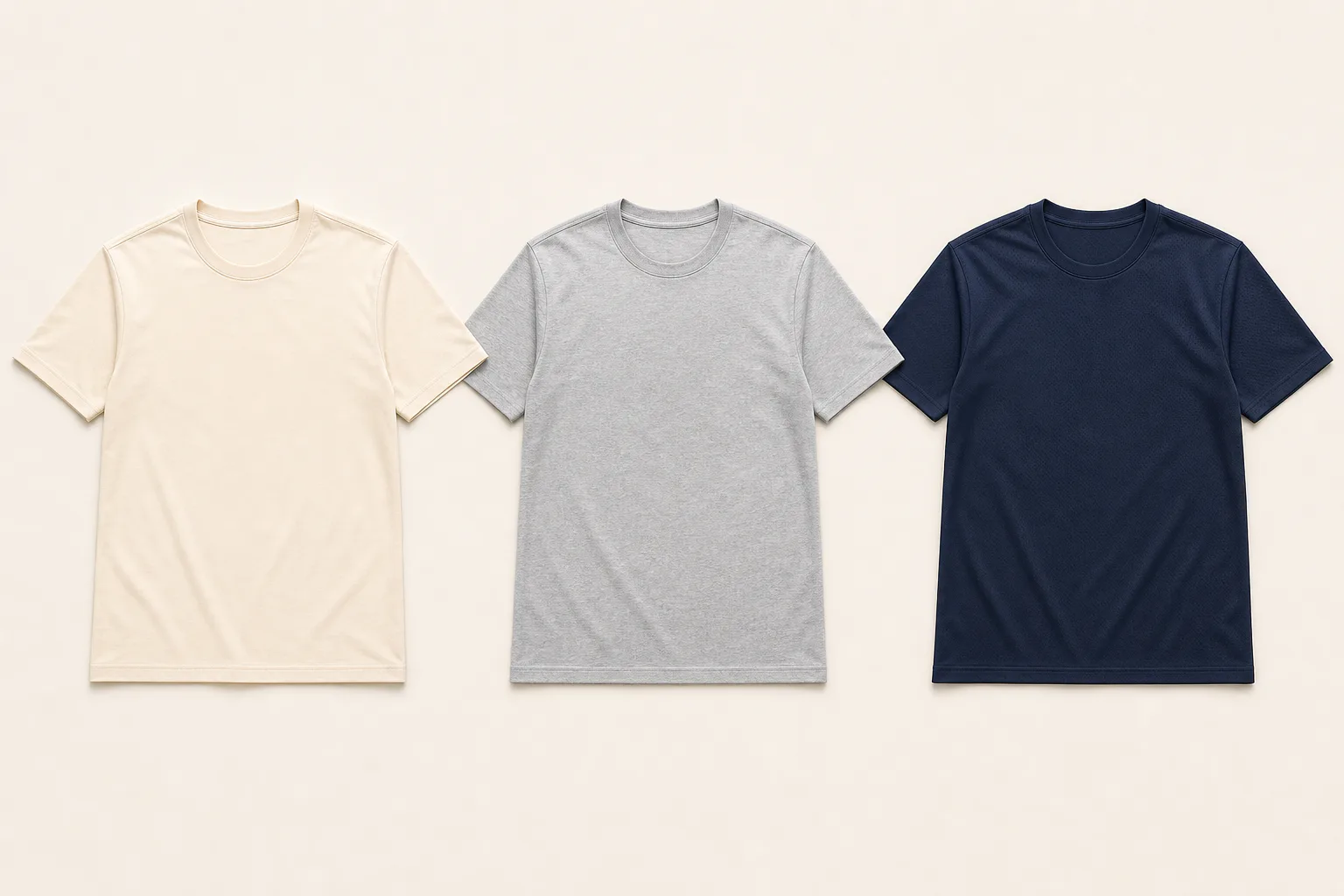
- Base color matters. Traditional sublimation dyes do not supply an opaque white underbase. White or light fabric is therefore the normal starting point for predictable color. A dark garment needs a different compatible decoration route or a specifically engineered substrate and process.
If your group wants classic cotton tees or navy/black shirts, compare DTF, screen printing, HTV, embroidery, or another route that is compatible with the exact garment and artwork. The print-method comparison keeps those alternatives on the same garment and artwork scope. Do not choose from the method name alone.
Sublimation vs other print methods
| Feature | Sublimation | Screen print | DTF heat press |
|---|---|---|---|
| Common garment starting point | White or light high-polyester fabric | Compatible garment plus named ink system | Compatible garment plus named film, powder, and press system |
| Coverage | Panel or all-over artwork can be integrated before assembly | Usually defined print areas; specialty routes vary | Defined transfer areas; size and coverage affect feel and production |
| Color preparation | No separate screen for each artwork color | Separate screens are commonly prepared for spot colors | No separate screen for each artwork color |
| Surface-layer wear | No applied surface layer; fabric can still fade or abrade | Depends on ink, cure, fabric, and care | Depends on film, adhesive, pressing, fabric, and care |
| Best for | Light-polyester performance shirts and panel-based all-over artwork | Repeated simple spot-color artwork at suitable volume | Detailed or multicolor artwork on compatible garments |
| Quote variables | Fabric, base color, panels, ink, paper, profile, quantity, personalization | Screens, separations, ink, garment, locations, quantity | Film, powder, dimensions, coverage, garment, locations, quantity |
Common group-order use cases for sublimation
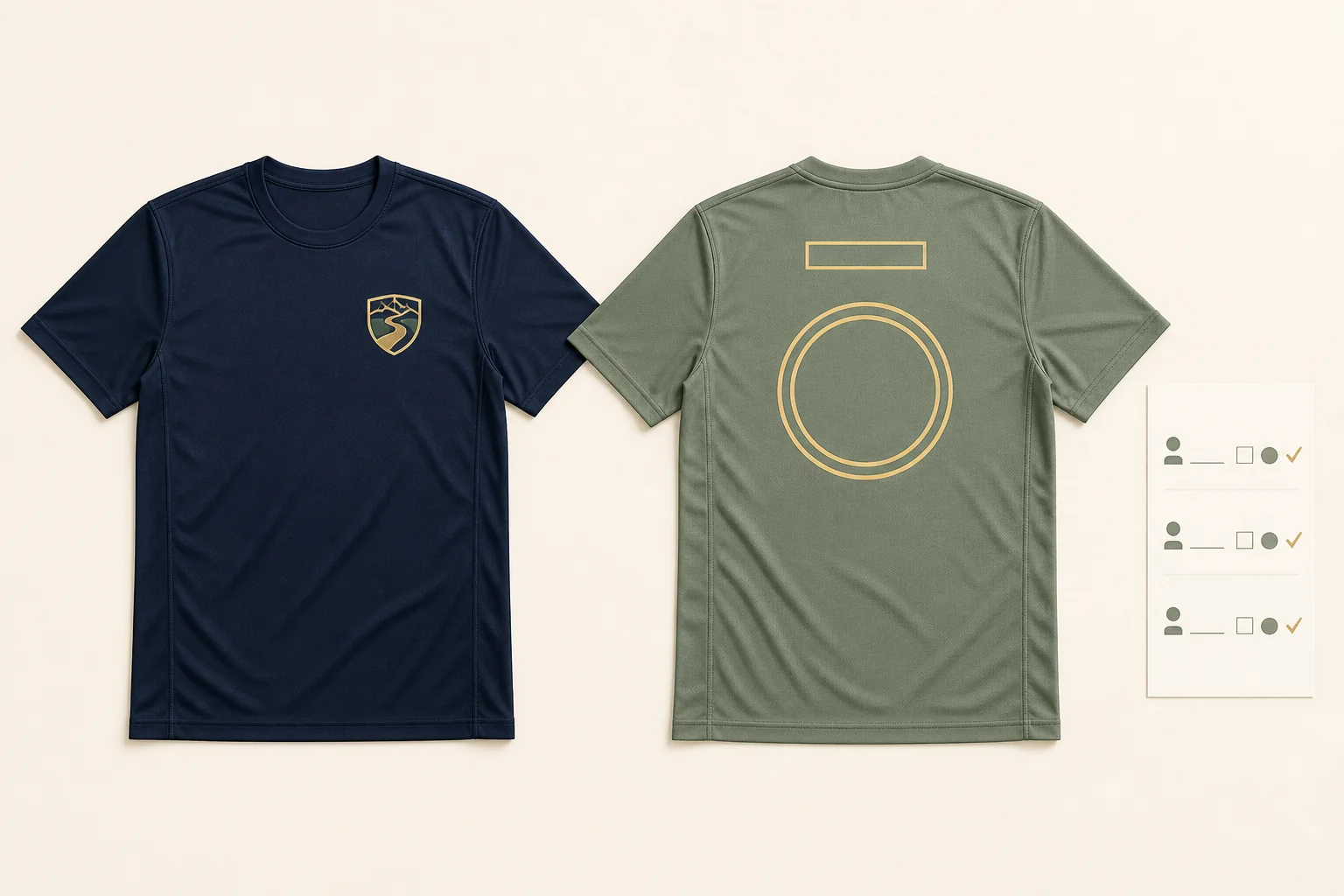
- Sports teams needing full-color jerseys with names, numbers, and panel artwork planned together
- Running clubs wanting matching moisture-wicking shirts with a detailed logo or map design
- Corporate events that use performance polos or activewear as giveaways
- Cheer or dance squads requiring edge-to-edge coverage on fitted tops
For standard group tees, especially cotton or dark garments, compare a compatible DTF, screen-print, HTV, or embroidery route on the same garment, artwork, delivery scope, and sample.
How Togethread does it
Togethread’s core decoration methods are DTF heat-press printing for suitable full-color designs and embroidery for compact premium logos. For polyester performance wear or all-over print needs, the product and method must be confirmed at quote stage. Standard DTF does not require a separate screen for every artwork color; embroidery, print dimensions, locations, coverage, garment, quantity, and personalization remain quote variables. Every order includes a free mockup, while the written quote confirms the destination, freight, duty and tax scope, delivery plan, and any exceptions before production.
FAQ
Can you use traditional dye sublimation on a 50/50 cotton-poly blend? Only the compatible polyester portion is the normal target in a traditional dye-sublimation workflow, so do not promise one fixed color or wash result from the blend ratio alone. Test the exact fabric with the named ink, paper, profile, and press settings. If cotton decoration is required, compare a specifically documented cotton-compatible system rather than treating it as the same process.
Does sublimation work on dark-colored shirts? Traditional dye sublimation normally starts with white or light fabric because the dye does not provide an opaque white underbase. For black or navy apparel, use a compatible alternative or a specifically engineered substrate and process, then approve a physical sample.
Is sublimation more expensive than screen printing? Sublimation can be efficient for full-color polyester artwork because it does not prepare separate spot-color screens. For a simple 1–2 color design on a large cotton run, screen printing can be competitive. Compare the same garment construction, printable area, coverage, quantity, personalization, and delivery plan.
Technical references
- Epson: digital-printing primer and dye-sublimation fabric selection
- Sawgrass: traditional sublimation paper requires a polymer coating or polyester textile content
- Sawgrass: VersiFlex is a separate named system for cotton and other materials