Short answer: Start with heat-transfer vinyl (HTV) when individual names, numbers, or simple cut shapes are central to the order. Compare screen printing when one separated design repeats across a planned run. Compare DTF when detailed or multicolor artwork needs a film-transfer route. Quantity, color count, or method name alone does not decide the result.
The chooser above narrows a first production path. The final choice still depends on the exact garment, finished artwork size, placement, variable data, material or ink system, application settings, sample, and complete delivered quote.
What each method actually builds
Heat-transfer vinyl (HTV)
HTV is a cut-film process. Artwork is simplified into cuttable shapes, unwanted film is weeded away, and the remaining material is positioned and heat-applied. Multi-color artwork may require separate layers or a different transfer route.
HTV is not one universal material. STAHLS’ current HTV comparison chart lists different products, finishes, stretch properties, cut-detail limits, temperatures, pressures, and peel instructions. That is why “vinyl” alone does not establish compatibility or wash performance.
It is a useful starting point for variable names or numbers and restrained solid shapes. Before production, confirm the exact material, fabric, finished dimensions, number of layers, seams or zippers near the placement, and application instructions.
Screen printing
Screen printing pushes a specified ink system through prepared mesh screens. Conventional spot-color work separates artwork colors, prepares dedicated screens, and registers them so the printed areas align. ScreenPrinting.com’s separation guidance explains why each color separation and screen registration matter.
The garment and ink system cannot be separated from the method. Avient’s current ink selection guide lists different ink families and cure ranges for cotton, polyester, blends, and nylon. A cotton-oriented setup should not be assumed to behave the same way on a dyed performance garment.
Screen printing is therefore a comparison path for repeated artwork when the supplier can define the separations, underbase, mesh, ink, cure, test, and setup in the quote. It can reproduce more than simple spot colors through halftone, index, or simulated-process work, but those routes have different preparation and proof requirements.
If color count or a dark-garment underbase is the open question, use the multi-color screen-print cost guide before comparing totals.
Direct to film (DTF)
DTF prints color and white ink onto a film, adds hot-melt powder, heats the transfer, and applies it to a compatible garment with a heat press. Mimaki’s DTF process overview describes the film, powder, post-processing, and heat-press system; the DTF workflow guide shows the five production stages in order.
DTF does not prepare a separate physical screen for every artwork color. That makes it a practical comparison path for suitable detailed or multicolor artwork, but it does not remove production variables. Film, ink, powder, curing, press settings, garment treatment, dye migration, coverage, and hand feel still need review.
Controlled comparison
| Decision point | HTV | Screen printing | DTF |
|---|---|---|---|
| Construction | Cut film heat-applied to the garment | Ink passed through prepared and registered screens | Printed film, hot-melt powder, heat, and transfer |
| Useful starting point | Variable names, numbers, simple solid shapes | One separated design repeated across a planned run | Detailed or multicolor art on compatible garments |
| Artwork limits to check | Minimum cut detail, weeding, layers, outlines | Separations, underbase, halftones, registration | Minimum detail, white layer, coverage, edge and adhesive limits |
| Garment questions | Film-to-fabric compatibility, seams, coatings, migration | Fiber, dye, ink family, cure, bleed resistance | Fabric, finish, dye migration, pressing, transfer adhesion |
| Feel | Varies by material, thickness, layers, and area | Varies by ink, mesh, underbase, coverage, and cure | Varies by transfer construction and printed coverage |
| Main quote inputs | Material, cut complexity, layers, placement, variable data | Screens, separations, ink system, locations, quantity | Dimensions, coverage, locations, quantity, garment compatibility |
| Proof to request | Applied sample using the named material | Test print or production sample using the named ink system | Applied sample using the named film, powder, and press process |
This table identifies the variables that must be controlled. It is not a universal quality, price, or durability ranking.
Why quantity does not create a fixed crossover point
Advice such as “HTV below 12,” “DTF from 12–99,” or “screen printing above 100” is only a shop-specific shortcut. The crossover changes with:
- how many prints are identical versus personalized;
- artwork size, coverage, colors, and separations;
- number of front, back, sleeve, or other locations;
- garment fabric, color, coating, seams, and size range;
- equipment, labor, setup, spoilage, and sampling policy;
- destination, schedule, freight, duty/tax scope, and exceptions.
A 100-piece order with 100 different names is a different production problem from 100 identical one-color fronts. Compare actual written quotes on the same specification instead of selecting a method from quantity alone.
Personalization changes the production structure
For names and numbers, first separate the shared artwork from the variable data. A shared crest may use one method while changing names or numbers use another. STAHLS’ current name-and-number guidance shows one HTV workflow in which variable text and numbers arrive pre-aligned for application.
That example does not make HTV mandatory. DTF transfers, screen-printed shared art, sublimation, embroidery, or other systems may be combined when the garment, roster, placement, and supplier workflow support them. Keep names, numbers, sizes, and roles in one supplier-review roster, and ask the supplier to state which element uses which process and how a correction is handled.
Detail and color count are not the whole decision
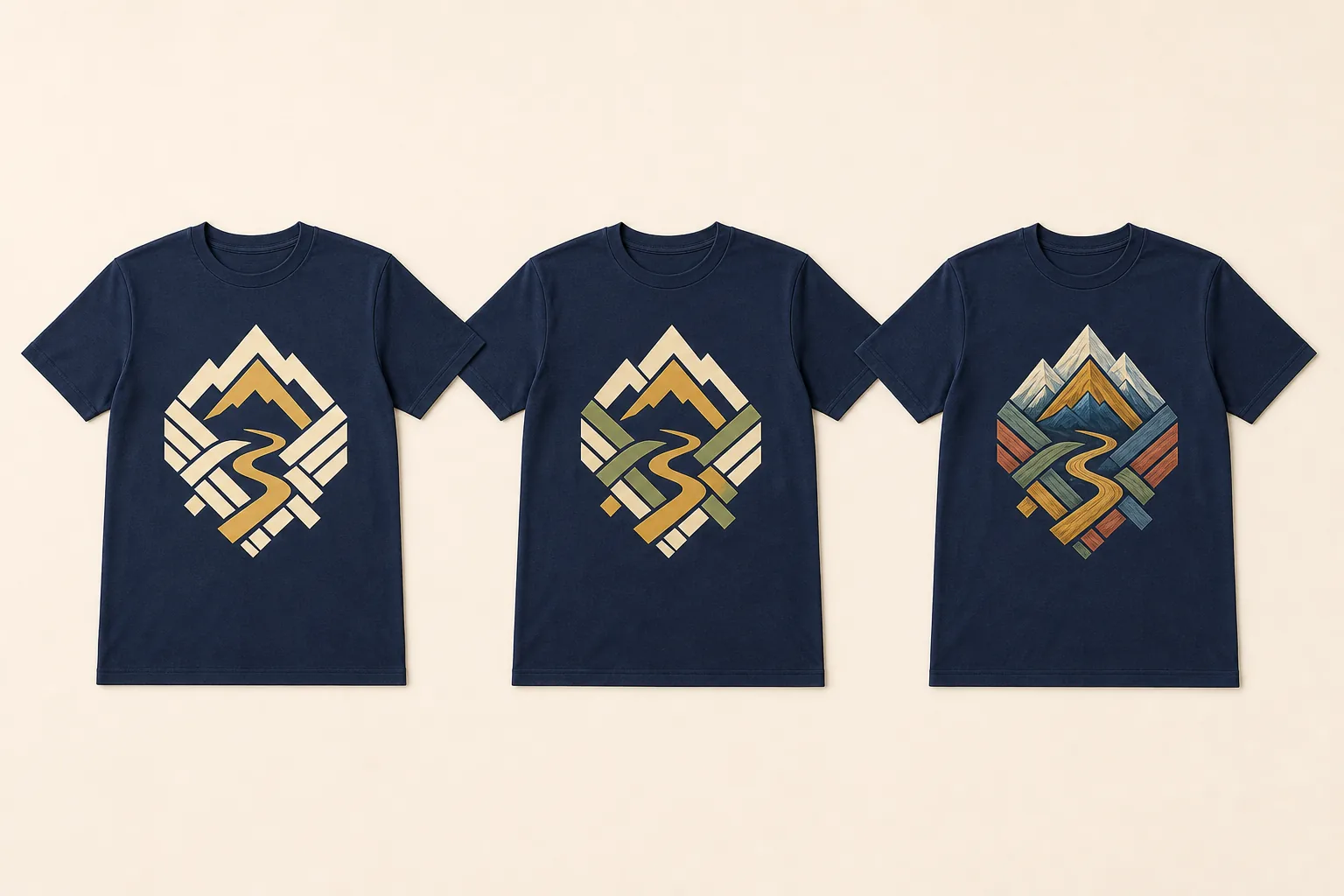
HTV usually asks whether the design can be cut, weeded, aligned, and layered cleanly. Screen printing asks how the art will be separated, registered, underbased, printed, and cured. DTF asks whether fine details have enough adhesive support and whether the transfer remains appropriate at the intended coverage.
The same logo may therefore need three production-ready versions rather than one file blindly sent to every method. Keep the visual identity consistent, but allow controlled simplification, color separation, line-thickness changes, or reduced coverage when the method requires it. The logo file guide explains what vector and raster files contribute before this production translation begins.
Cost should be compared on one written scope
None of the three methods is automatically cheapest. HTV may shift labor toward cutting, weeding, alignment, and per-piece changes. Screen printing may place more work in separations, screens, registration, ink setup, and test prints. DTF may shift cost toward transfer dimensions, coverage, film, powder, pressing, and compatible garment handling.
Ask each supplier to quote the same:
- exact garment style, color, fabric, and size range;
- total quantity and number of identical versus variable pieces;
- artwork file and finished dimensions;
- every front, back, sleeve, or other placement;
- named material, ink, or transfer system;
- color separations, underbase, layers, or white-ink assumptions;
- roster data, personalization, and correction policy;
- mockup, sample, approval, QC, and rework scope;
- destination, required date, freight, duty/tax scope, and exceptions.
Then compare the complete delivered total and production scope—not one screen fee, vinyl sheet, or transfer price in isolation.
The custom T-shirt setup-fee guide shows how screen separation, prepared locations, bundled pricing, and DTF preparation should appear in that comparison without treating a $0 line item as free production work.
Durability and care are system-specific
There is no reliable universal wash-life ranking based only on “HTV,” “screen print,” or “DTF.” HTV can lift or split when material, fabric, pressure, temperature, seams, or care are mismatched. Screen ink can undercure, crack, migrate, or abrade. DTF can peel, crack, migrate, or lose adhesion when the transfer system and garment are not compatible.
Application instructions are also product-specific. STAHLS’ current application sheet lists different time, temperature, pressure, and peel conditions across materials. Follow the garment care label and the decoration-system instructions supplied for the actual order; do not copy one blanket rule across all products. The print durability guide covers the visible failure modes and evidence to request.
How Togethread handles the decision
Togethread’s coordinated minimum is 50 combined pieces. For suitable detailed full-color artwork, our standard comparison begins with DTF; suitable compact marks may use embroidery. HTV, screen printing, sublimation, or another route may be a better fit for some specifications, so the mockup and written quote identify the proposed method rather than promising one process for every order. If the garment is still open, start with the bulk classic T-shirt route and compare the same blank across methods.
For a suitable standard DTF route, we do not prepare or charge a separate physical screen for every artwork color. The quote still reflects the garment, dimensions, coverage, locations, quantity, personalization, destination, freight, duty/tax scope, delivery plan, and exceptions. A real designer reviews the brief and confirms the free first-mockup timing in writing; you approve the artwork and written scope before production.
FAQ
Is DTF better than screen printing?
Not universally. DTF can be a practical route for suitable detailed or multicolor art. Screen printing can fit repeated separated artwork when the ink, garment, setup, and quantity work together. Compare both on the same specification and sample basis.
Is HTV only for small orders?
No fixed quantity defines HTV. Its cut-and-apply workflow often suits variable names, numbers, or simple shapes, but garment compatibility, layers, labor, and the number of changing pieces determine whether it remains practical.
Can screen printing reproduce gradients or photographs?
Yes, through halftone, index, process, or simulated-process separation routes when the printer and artwork support them. Those routes require different preparation and proofing from a simple spot-color job.
Can DTF be applied to every fabric?
No method-only promise is safe. Confirm the exact garment, surface treatment, stretch, dye migration risk, heat tolerance, film, powder, pressing process, and sample.
Which method lasts longest?
The method name alone cannot establish wash life. Ask for evidence tied to the exact garment, material or ink system, application, use, and care procedure.